











About the Project

DECIDE is a Swiss-Ukrainian Project ‘Decentralization for Improved Democratic Education’. The project supports educational reforms and the decentralisation process in Ukraine, aiming to develop an effective education governance  system.

The main goal of the project is to support  communities to get involved in democratic governance and obtain  equal access to quality education.

DECIDE is implemented by the DOCCU NGO in partnership with the Zurich University of Teacher Education (PHZH) with support of Switzerland, represented by the Swiss Agency for Development and Cooperation (SDC).

DECIDE contributes to:
Strengthening communities’ capacity in development and practical implementation of decentralised models of education governance, including education development strategies and their implementation plans;
Enhancing the professional level of local self-governance officials and employees of structural units responsible for education in communities;
Удосконаленню методів та інструментів розвитку громадянського суспільства та залучення громадян до управління освітою.

DECIDE aims to introduce and develop democratic, transparent, and accountable school governance  in communities, strengthen their role in public life, and involve all citizens in decision-making in communities, including pupils, teachers, school heads, local self-government, parents, media representatives, and others.

The Project is implemented in two components

Component 1 

Focused on developing a decentralised education governance system in communities, at the sub-regional and regional levels.

The activities in this component enhance the capacity of authorities to implement the decentralisation reform in education, including the development and implementation of education strategies.

Importantly, the professional competencies of representatives of community management bodies, as well as civil servants involved in implementing education reform, are  improved.


The component facilitates the introduction of new methods and tools to develop civil society and encourage citizen involvement in education governance.

At the national level, DECIDE promotes the development of mechanisms for political dialogue, creation of an effective regulatory framework for the decentralisation of education governance and introduction of effective learning and knowledge management.

Component 2 

Focused on strengthening  democratic schools as educational centres of  their communities.

Converting schools (particularly in rural areas) into community educational centres  to more democratic and accountable governance of educational institutions, while also strengthening their role in public life.


DECIDE encourages citizens to take part  in education governance by introducing practical tools to involve the public in educational governance  processes.

The Project encourages parents, pupils and teachers to collaborate with local authorities and the community in planning social projects.

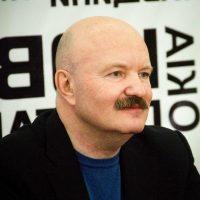
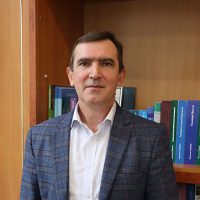
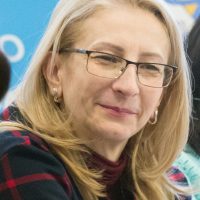
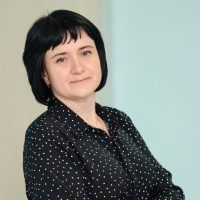
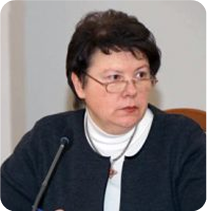
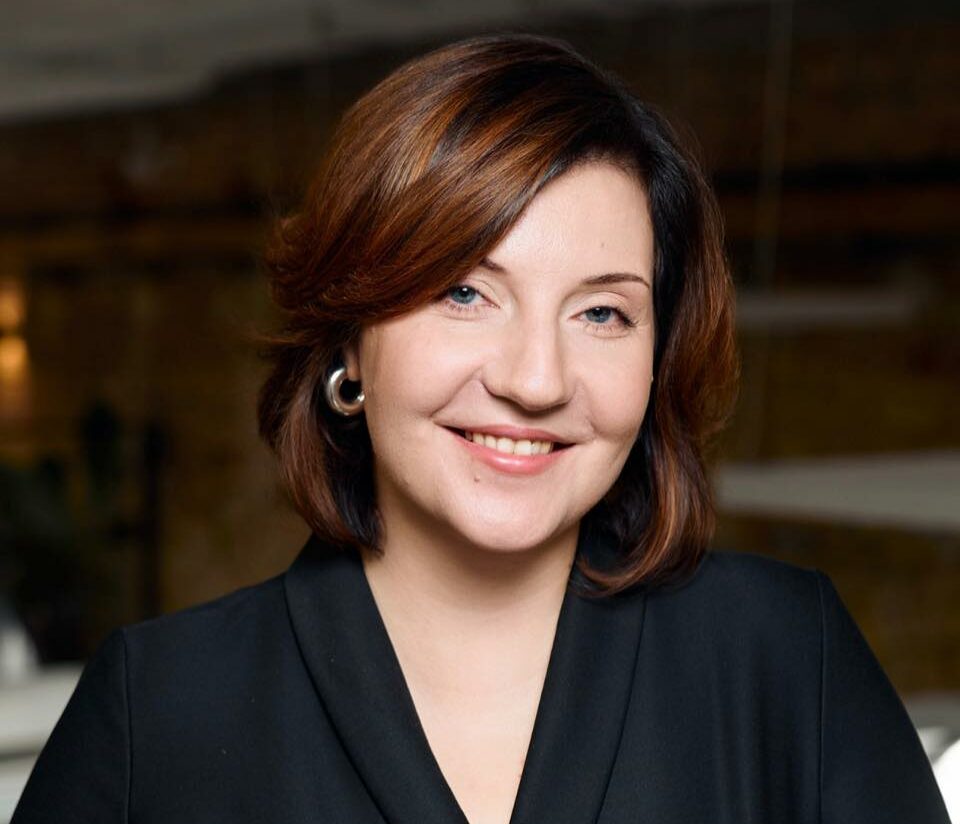
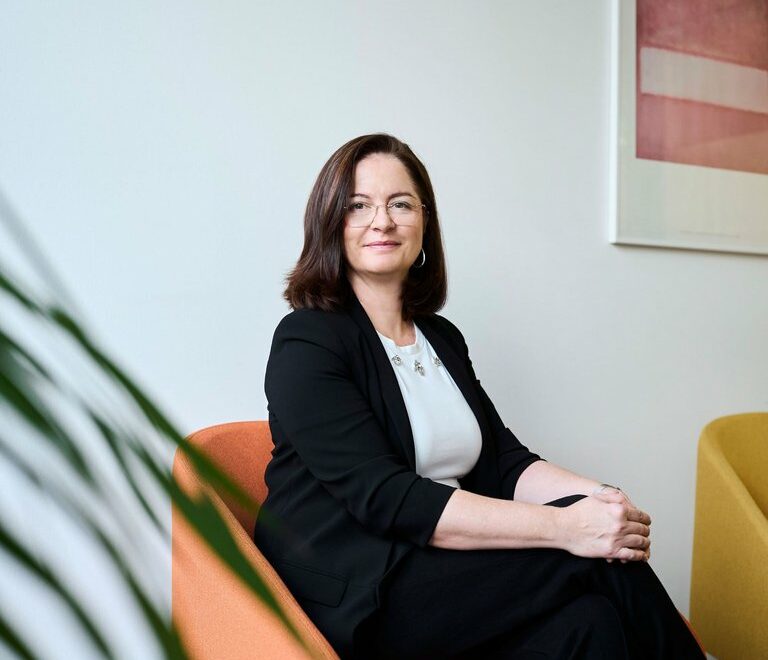
Our team

Expected results

DECIDE Project supports decentralisation of educational governance, particularly in the following areas:

Promoting the development of effective education governance models at regional, sub-regional, and local levels (in communities). Support is provided to partner regions for elaborating regional and local development strategies, optimise functions for effective education governance, establish inter-municipal cooperation, and develop an appropriate regulatory framework.

Providing technical support in formation and development of a professional community of managers and employees of local education management bodies by strengthening the institutional capacity of key associations and civil society organisations (CSOs) that work with communities.

Facilitating cooperation between key ministries and agencies in planning, implementing, and coordinating education reforms in terms of decentralising education governance. It is performed through providing targeted expert support, technical assistance for reform communication activities, developing information and training materials, training courses for civil servants and local government officials, and conducting national sociological research

Developing practical tools to engage citizens in education governance in communities.

Providing technical and expert suppor for organising training for representatives of public authorities, local council members, teachers, school principals, schoolchildren and representatives of civil society organisations in target communities. The training covers democracy and human rights, democratisation of education governance and quality management in education.

Engaging international experts to establish functional school councils in target communities to enable the public to actively participate in school governance.

Designing training courses, programmes and online educational tools for pupils on local self-governance issues.

Promoting civic engagement by encouraging partner schools and communities to collaborate on joint projects related to education, youth, sports, culture, community social events and more.

As part of the implementation of the New Ukrainian School, the Project provides support for the introduction of training programmes on education for democratic citizenship and human rights education (EDC/HRE) into the system of professional development for teachers and school administrators. Training courses and materials to develop civic competencies are created and incorporated into the curricula of pedagogical universities and colleges.

Results of the ongoing monitoring of the Swiss-Ukrainian DECIDE Project

Annual report 2020
First half-year report 2021
Annual report 2021
First half-year report f 2022
Annual report 2022
First half-year report 2023
Annual report 2023
First half-year report 2024
Annual report 2024

Чернігівська область

991 294 – кількість населення ТГ
57 – кількість ТГ

Івано-франківська область

1 368 097 – населення ТГ
62 – кількість ТГ
160 – загальна кількість шкіл в ТГ
4320 – кількість вчителів
27 933 – загальна кількість учнів
кількість опорних шкіл в ТГ
145 – кількість філій опорних шкіл в ТГ
1 612 – кількість учнів в опорних школах та їх
філіях

Луганська область

661 028 – населення ТГ
26 – кількість ТГ
51 – загальна кількість шкіл в ТГ
977 – кількість вчителів
6 955 загальна кількість учнів
5 – кількість опорних шкіл в ТГ
8 – кількість філій опорних шкіл в ТГ
2412 – кількість учнів в опорних школах та їх
філіях

Полтавська область

1 368 097 – населення ТГ
62 – кількість ТГ
160 – загальна кількість шкіл в ТГ
4320 – кількість вчителів
27 933 – загальна кількість учнів
5 – кількість опорних шкіл в ТГ
14 – кількість філій опорних шкіл в ТГ
1 612 – кількість учнів в опорних школах та їх
філіях

Одеська область

2 377 191 – населення ТГ
91 – кількість ТГ
121 – загальна кількість шкіл в ТГ
2946 – кількість вчителів
27 852 – загальна кількість учнів
12 – кількість опорних шкіл в ТГ
21 – кількість філій опорних шкіл в ТГ
5658 – кількість учнів в опорних школах та їх філіях